Intro: When Guests Say “No Caffeine, Thanks,” You’re Leaving Money on the Table
As we approach the end of 2025, the restaurant industry has shifted from simply “serving good food” to “curating a comfortable experience.” In a traditional Chinese restaurant setting, we are used to greeting guests with a pot of Jasmine or Pu-erh tea. But as a savvy operator, have you noticed a growing pattern during your dinner service?
“Sorry, I can’t do caffeine this late.” “Do you have anything soothing for the stomach?”
When you hear this, if your only answer is “Ice Water,” you aren’t just losing a beverage sale—you’re missing a chance to showcase your brand’s hospitality.
The defining keywords for F&B in 2026 are “Inclusivity” and “Precision Wellness.” Customers aren’t just looking to quench their thirst; they want a beverage that pairs perfectly with rich Chinese cuisine while being gentle, relaxing, and guilt-free.
Trend 1: The “Decaf” Demand – It’s a Necessity, Not an Option
In our high-stress world, quality sleep is a luxury. For many diners over 30, consuming caffeine after 4 PM is a dealbreaker. While traditional Green or Oolong teas are classics, their caffeine content often alienates the dinner crowd.
The Solution: The Rise of Rooibos
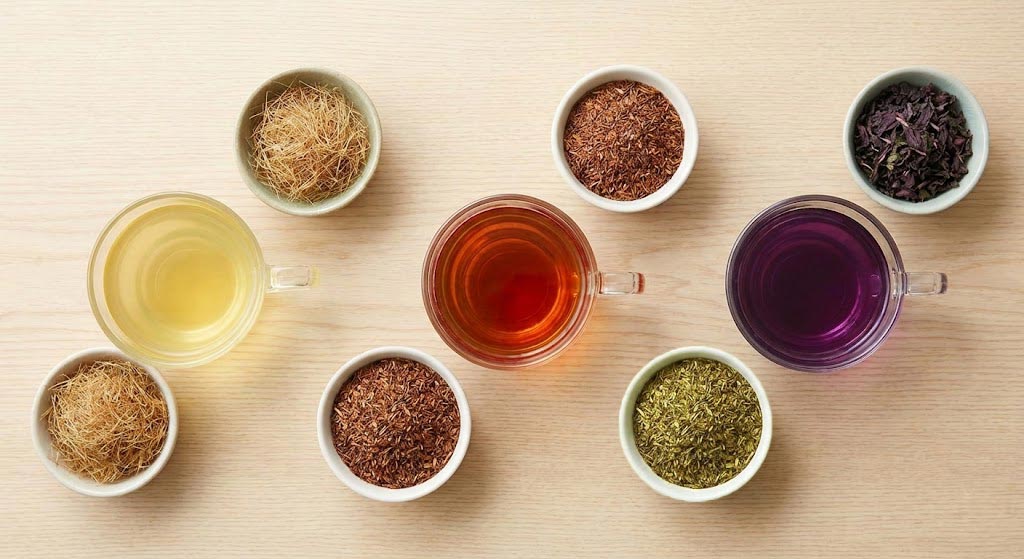
In 2026, Rooibos has graduated from a niche health store item to a mainstream staple. It is naturally caffeine-free and low in tannins. Surprisingly, its earthy, woody notes pair exceptionally well with heavy, soy-braised Chinese dishes (like Braised Pork Belly).
The Pro Move: Unfermented “Green Rooibos”
Unlike the common Red Rooibos, Green Rooibos is unfermented, retaining higher levels of antioxidants (SOD-like). Its flavor profile mimics the fresh, crisp taste of Japanese Green Tea but without the caffeine or stomach irritation. It is the elegant, sleep-friendly choice to pair with delicate Cantonese steamed dishes.
Trend 2: From “Grease-Cutting” to “Holistic Wellness”
Chinese cuisine is famous for its bold flavors and oils. Today’s diners are smarter—they want functional benefits. This is why Grain Teas and Herbal Infusions are exploding in popularity.
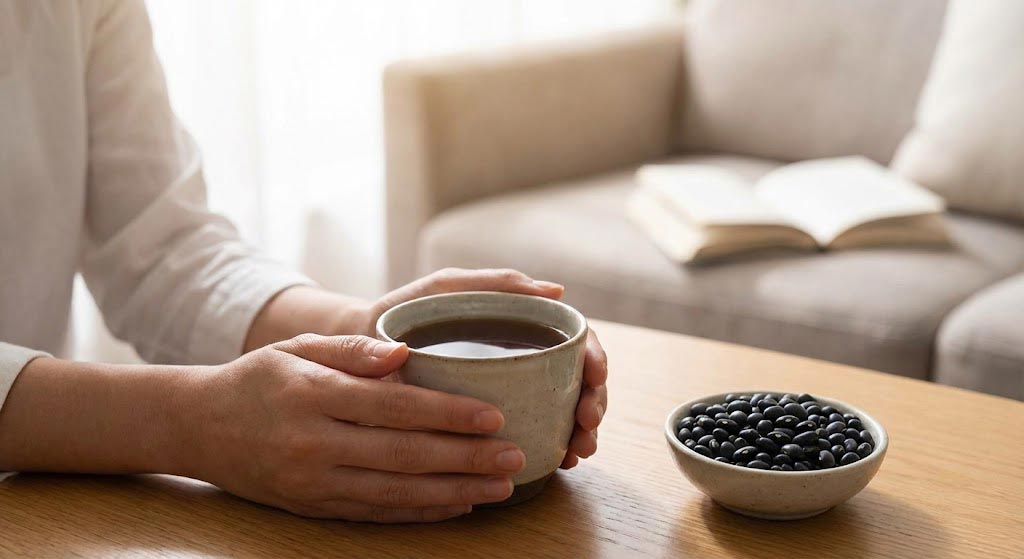
The Power Duo: Black Bean & Corn Silk Tea
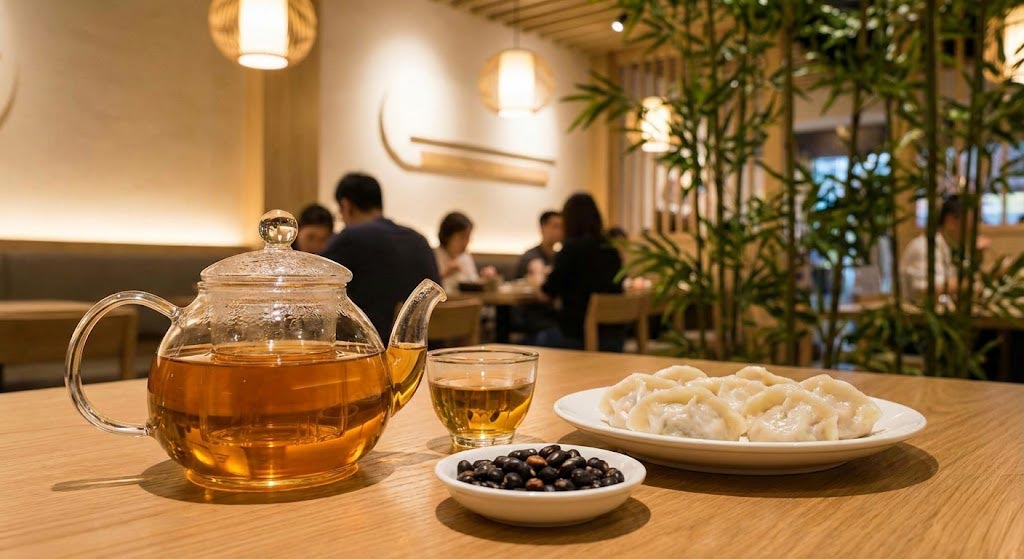
- Taiwanese Black Bean Tea (Kuromame): Consider this the dark horse of the menu. Slow-roasted black beans release a deep, nutty aroma. Rich in anthocyanins, it acts as the perfect palate cleanser for Roasted Duck or Crispy Pork.
- Corn Silk Tea: Popularized by K-dramas as the “V-Line Tea” (for facial depuffing), its greatest asset is its natural sweetness without sugar. It acts as a cooling, sodium-flushing agent, perfect for Spicy Hot Pot or Mapo Tofu.
Trend 3: Refined Flavor Pairing – The Shiso (Perilla) Innovation
Perilla (Shiso/Zi-Su) is a staple herb in Asian cuisine, known in Traditional Chinese Medicine (TCM) for aiding digestion and neutralizing seafood toxins. Infusing Perilla into tea is a game-changer for seafood-focused restaurants.
The Highlight: Perilla Green Rooibos
This is a forward-thinking blend. It combines the minty-basil spice of Perilla with the smooth base of Green Rooibos. After a meal of Steamed Grouper or Crab, a cup of hot Perilla tea warms the stomach and neutralizes fishiness. This level of “Tea Pairing” sophistication tells your guests, “We know food.”
Action Plan: How to Execute This in 2026
Knowing the trends is one thing; monetization is another. Here is your execution strategy:
1. Menu Engineering & Copywriting
Don’t just list “Black Bean Tea.” Sell the Benefit:
- Black Bean Tea: “The perfect post-meal palate cleanser. Roasted, nutty, and soothing.”
- Perilla Green Rooibos: “A caffeine-free herbal blend designed to complement our seafood dishes.”
2. Sourcing Professional Grade Ingredients
Tea looks simple, but quality speaks volumes. For consistent, food-safety-certified ingredients, you need a dedicated B2B partner. High Tea Co., Ltd. is a leading supplier known for innovative, caffeine-free tea bases specifically for the food service industry. Securing a supplier that understands authentic Asian flavor profiles is the key to maintaining consistency across your menu.
3. The “Take-Home” Revenue Stream
Great tea sells itself. If a guest loves the tea during dinner, they will want to buy it. Set up a retail display at your checkout counter (using High Tea’s retail packaging). Converting a satisfied diner into a retail customer is the easiest upsell you will make all night.
Conclusion: Tea is Your Soft Power
In 2026, the battle for restaurant dominance won’t just be about “Wok Hei” (breath of the wok); it will be about Empathy.
By offering “Gentle Wellness” teas—from Rooibos to Black Bean—you are solving your guests’ problems. You are alleviating their sleep anxiety and digestive guilt. You are telling them, “We care about how you feel after you leave.”
That is the kind of hospitality that builds loyalty.