After witnessing the “Fruit Tea Wars” and the saturation of the “Toppings Market,” the hand-shaken tea industry is undergoing a paradigm shift in 2026. Data indicates that driven by the “Sleep Economy” and the demand for “All-Day Hydration,” Caffeine-Free and Decaf beverages are no longer menu afterthoughts. They have evolved into critical drivers for high average ticket size (ATS) and customer retention.
For commercial operators, caffeine-free options signify not just broader demographic coverage, but a hidden opportunity for profit margins often superior to traditional tea leaves. This white paper dissects the business logic behind this “Zero-Burden” wave and provides actionable strategies for profitability.
I. Market Insights: Why 2026 is the Breakout Year for “Caffeine-Free”
In the past, bubble tea was a functional pick-me-up; today, it is a lifestyle vessel. Three key shifts in the consumer profile of 2026 are fueling the expansion of the non-caffeinated sector:
1. The Sleep-Conscious Generation
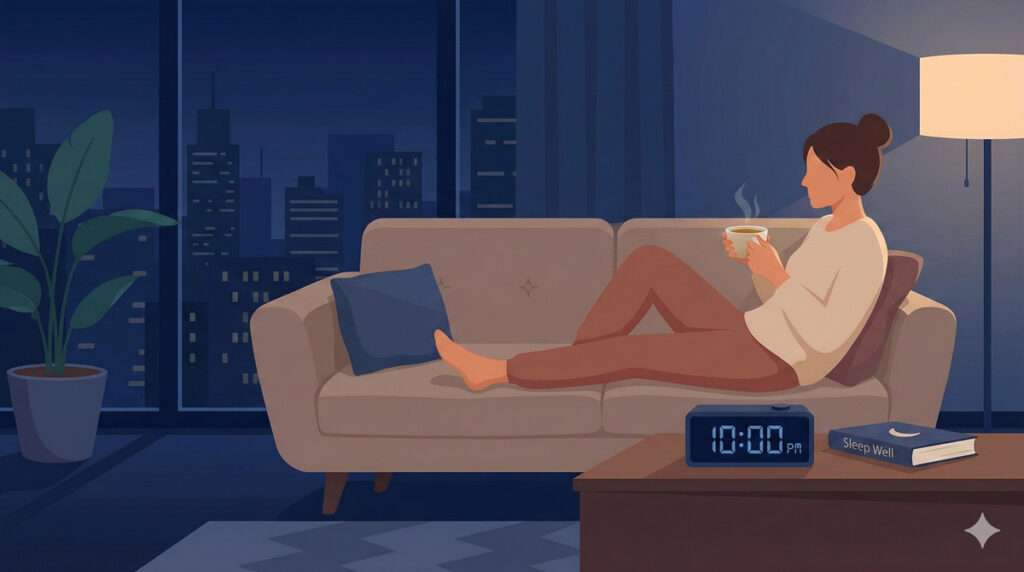
- The Pain Point: Gen Z and Millennials face unprecedented stress and sleep disorders. The “No Caffeine After 2 PM” rule has become a wellness standard.
- The Opportunity: Traditional tea shops see a revenue cliff after dinner (6:00 PM – 10:00 PM). Caffeine-free options perfectly fill this “Nightcap/Evening Drink” void, effectively extending prime operating hours.
2. Demographic Inclusivity & The “Silver Economy”
- The Pain Point: As society ages, traditional high-sugar, high-caffeine drinks alienate older consumers. Simultaneously, parents are increasingly vigilant about their children’s caffeine intake.
- The Opportunity: Grain teas (Barley, Buckwheat) and Herbal infusions (Rooibos, Chamomile) possess a “Family-Friendly” attribute, significantly boosting multi-cup orders per transaction.
3. Guilt-Free Consumption Psychology
- Buying a sugary drink often comes with health-related guilt. Marketing beverages as “Caffeine-Free,” “Debloating” (e.g., Corn Silk Tea), or “Digestive Aid” lowers the psychological barrier to purchase, increasing consumption frequency.
II. Cost Analysis: The High-Margin Secret Hidden in Herbs
Many operators mistakenly believe specialized herbal ingredients are cost-prohibitive. In reality, when analyzed through supply chain stability and operational efficiency, the caffeine-free series is often the silent champion of gross margin.
1. Supply Chain Stability
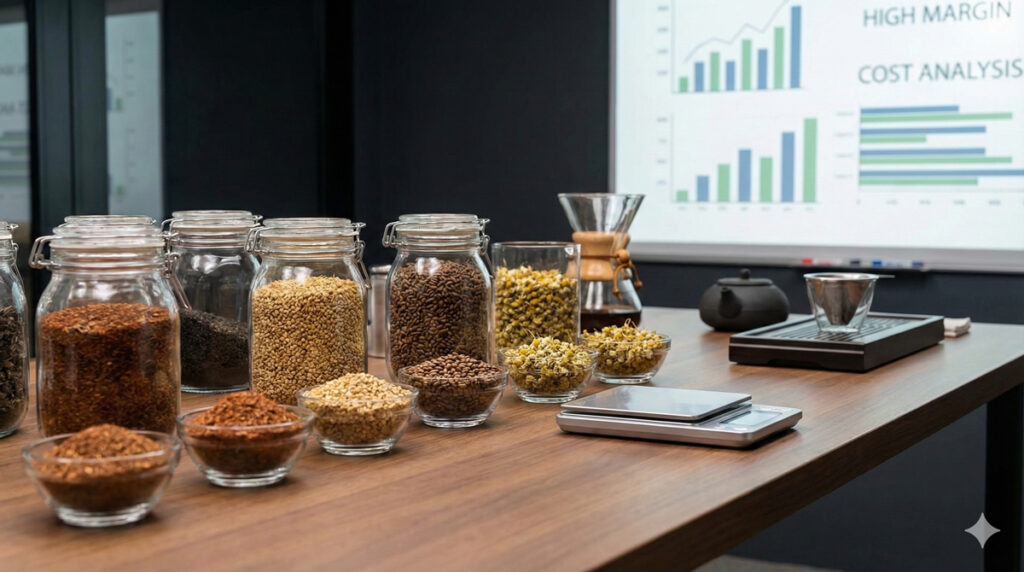
- Tea Leaves vs. Grains/Herbs: Premium tea leaves (e.g., High Mountain Oolong) are volatile regarding climate impact and pricing. They also require precise brewing skills to maintain consistency.
- The Advantage: Ingredients like Barley, Cassia Seed, Buckwheat, or Rooibos offer stable yields, long shelf lives, and high brewing tolerance. This drastically reduces waste rates and staff training costs.
2. The Power of Premium Pricing
- Consumers have a fixed price anchor for “Pure Tea” (e.g., Green Tea at $35-$40 TWD), making price hikes difficult.
- The Advantage: Once a drink is branded with functional benefits like “Stress Relief,” “Sleep Aid,” or “Beauty,” or uses exotic terms like “South African Ruby (Rooibos)” or “Golden Tartary Buckwheat,” the Perceived Value skyrocket. Price points can easily breach the $50-$60 range, instantly lifting gross margins by 15%-20%.
III. Product Strategy: Engineering a Best-Selling Menu
To win in 2026, you cannot simply place a hot barley tea in the corner of your menu. You need a systematic product layout.
Strategy A: Base Upgrade — Embrace Complexity
Reject the monotone. Utilize professional B2B blending technologies to create layered, caffeine-free bases.
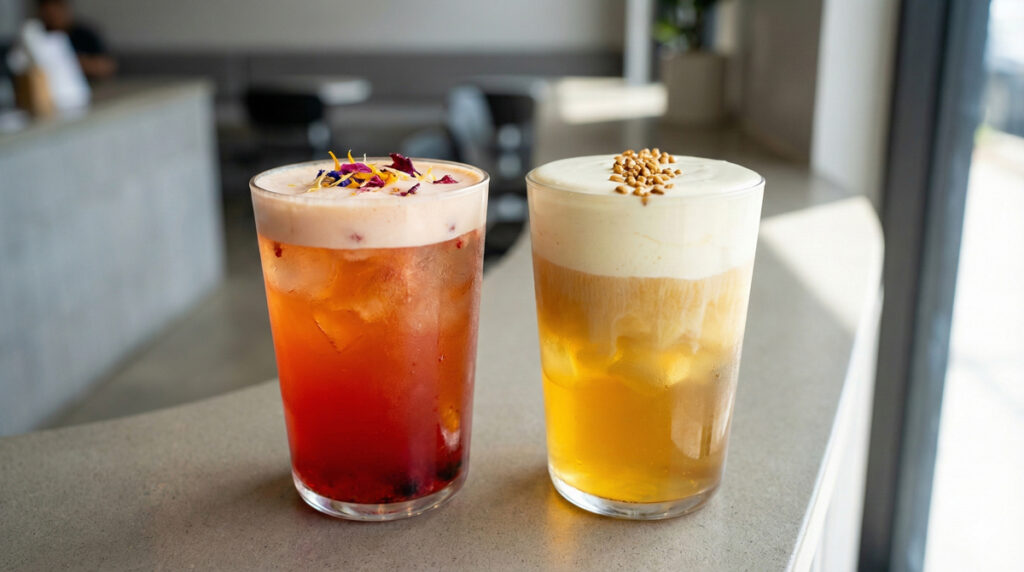
- Winning Combo: Rooibos + Peach/Berries. The woody, sweet notes of Rooibos pair perfectly with fruit, suitable for both hot and cold servings.
- Winning Combo: Golden Buckwheat + Cheese Foam. The roasted nuttiness of the grain cuts through rich foam, creating a “Popcorn Milk” profile that is universally loved—without the bitterness of caffeine.
Strategy B: Visual Revolution — Mocktails & Gradients
Caffeine-free drinks are often perceived as “visually boring.” Change this narrative with sparkling machines or natural herbal colors.
- Application: Use Roselle or Butterfly Pea Flower (regulatory compliance required) as natural pigments. Pair with non-alcoholic beer flavors or sparkling water to market a “Party Zero-Alcohol, Rave Without Insomnia” social beverage.
Strategy C: All-Day Marketing
- Brunch: Promote “Refresh & Detox” (Barley, Cassia series).
- Afternoon: Promote “Stress Relief” (Floral/Fruit blends).
- Evening: Promote “Guilt-Free Sleep” (Warm Rooibos Milk Tea or Black Bean Water).
IV. Commercial Perspective: The Owner’s Action Plan
Facing the market shifts of 2026, we recommend the following actions:
- Menu Audit: Is your caffeine-free selection below 10%? Aim to increase this to 20%-25%.
- Sourcing Strategy: Prioritize B2B suppliers with ISO/HACCP certifications who offer “Custom Blending” services. Single ingredients are no longer enough; you need a partner who provides “Flavor Solutions” (Note: Ingredients with ITI International Taste Institute awards are preferred).
- Frontline Education: When a customer asks, “What won’t keep me awake?” or “What can my toddler drink?”, staff must instantly recommend a signature blend, not just “water” or “juice.”
V. Conclusion
The second half of the bubble tea game is not about who has the strongest tea, but who cares most for the consumer’s biological clock.
“Caffeine-Free” is not a compromise; it is an aggressive market offense. It shatters the time constraints of bubble tea consumption, expands the age demographic, and most importantly, leverages lower raw material costs to secure higher customer satisfaction and brand loyalty.
In 2026, whoever captures the “Mind Share” of the caffeine-free market first will carve out a high-margin Blue Ocean amidst the Red Ocean competition. Owners, is your menu ready for an “All-Day Toast”?