In the 2026 global beverage market, “Sugar Reduction” is no longer a niche preference—it is a survival imperative. With rising health consciousness and the implementation of sugar taxes in various regions, commercial beverage operators face a critical challenge: How do we lower sweetness levels without sacrificing flavor complexity or the justification for premium pricing?
Marketing experts and food scientists agree: The next battleground for beverages is shifting from “Sweetness on the Tongue” to “Depth in the Nose.” This guide explores how to leverage “Floral Aromas” as a core R&D strategy to redefine value for your Spring menu.
1. Consumer Psychology: Why “Aroma” is More Valuable Than “Sugar”
The Science of Olfactory Synesthesia
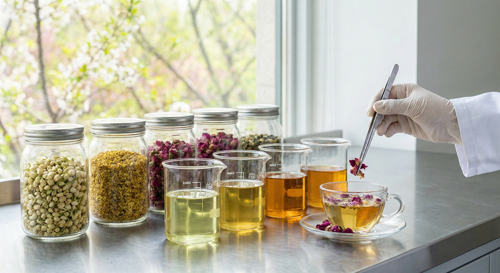
Research indicates that approximately 80% of what we perceive as “flavor” actually comes from our sense of smell (olfaction), not taste. When a consumer sips a beverage infused with delicate Jasmine or rich Rose notes, the brain automatically fills in the “sensory gaps.” This psychological compensation mechanism allows customers to feel satisfied with low-sugar or even sugar-free drinks, as the aroma provides the perceived richness.
The “Emotional Wellness” Economy
Modern consumers are seeking more than thirst-quenching; they seek an “Emotional Shift.” While sugar provides a fleeting dopamine hit often followed by guilt, natural floral scents (like Camellia, Osmanthus, or Cherry Blossom) trigger associations with “Spring,” “Relaxation,” and “Sophistication.” For beverage operators, you are selling tea, but the customer is buying a “Spring Ritual.”
2. R&D Strategies for Commercial Operators: 3 Floral Trends to Boost Margins
For tea chains, cafes, and B2B catering systems, we recommend structuring your Spring innovation around these three dimensions:
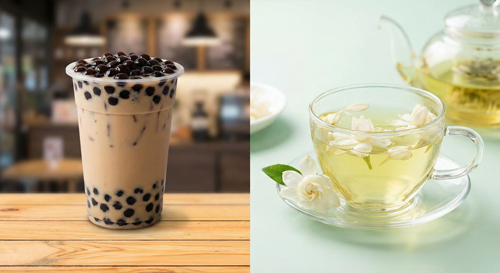
Trend A: The Elegant White Flower Series (The “Airy” Pure Tea Upgrade)
- Key Profiles: Gardenia, Magnolia, Jasmine.
- R&D Core: Ideal for pairing with light-roast Oolong or Green Tea. The piercing, crisp quality of white flowers balances any natural astringency in the tea base.
- Business Value: By renaming a standard “Green Tea” to “Gardenia Oolong,” you create a premium perception that justifies a price increase of 15-20% per cup.
Trend B: The Rich Warm Flower Series (Perfecting Plant-Based Milks)
- Key Profiles: Osmanthus, Rose, Orange Blossom.
- R&D Core: As Oat Milk and Almond Milk dominate, their inherent “grainy” or “nutty” flavors can sometimes overpower delicate teas. Rich floral notes act as a “flavor enhancer,” rounding out the mouthfeel.
- Business Value: Osmanthus naturally carries a “honey-like” aroma, creating “Visual & Olfactory Sweetness.” This allows you to market drinks as “Low Sugar, High Fiber” while satisfying the sweet tooth—perfect for the health-conscious office demographic.
Trend C: The Oriental Aesthetic Series (Creating Social Currency)
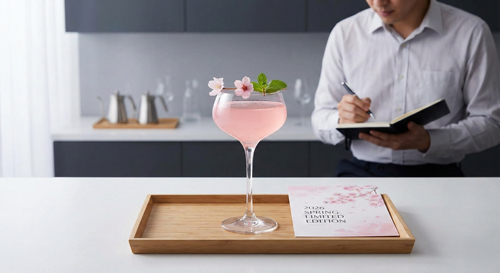
- Key Profiles: Camellia, Sakura (Cherry Blossom), Orchid.
- R&D Core: These scents carry strong visual and cultural associations. Use them in layered drinks or with garnish (dried petals) to create visual impact.
- Business Value: “Limited Edition” drops combined with unique aromatic profiles drive “Social Currency.” Customers are more likely to share these aesthetically pleasing, fragrant drinks on Instagram and TikTok, providing free organic marketing.
3. Technical Mastery & Cost Control: Solving the Raw Material Puzzle
For B2B operators, R&D isn’t just about flavor—it’s about Standardization (SOP) and Cost Stability.
- Overcoming Aroma Loss: Traditional dried flowers often yield a “grassy” taste and lose scent quickly after brewing. We recommend using tea leaves that have undergone a professional Scenting Process (Cellular Infusion). This ensures the aroma penetrates the tea leaf structure, guaranteeing that the scent remains vibrant even after delivery to the customer.
- Stability & Inventory: Using standardized floral-infused tea leaves or high-quality natural extracts eliminates the inconsistency of fresh flower batches and reduces the risk of spoilage/waste.
4. Marketing Compliance: Navigating Health Claims (Advisory)
When promoting these new products, operators must adhere to local food safety and advertising regulations (e.g., TFDA in Taiwan, FDA in the US).
- Avoid Medical Claims: Do not claim that floral teas provide medical benefits such as “Weight Loss,” “Curing Insomnia,” or “Medical Detox.”
- Best Practice: Focus on Sensory Descriptions. Use terms like “Rejuvenating Aroma,” “Multi-layered Palate,” or “A Refreshing Taste of Spring.”
- Truth in Labeling: If using flavored syrups versus natural extracts, ensure labels are compliant to maintain consumer trust.
5. Conclusion: The Aromatic Advantage
In the 2026 beverage battlefield, victory won’t go to those who add the most sugar, but to those who capture the most aroma. By mastering “Floral Scent R&D,” operators can align with health trends, escape price wars, and build a “Flavor Moat” around their brand.
This Spring, let your menu be more than just text—make it a flowing feast of fragrance.
References & Resources
- High Tea B2B Official Site (Global Tea Raw Materials): https://en.highteaworld.com/
- Innova Market Insights – 2026 Global F&B Trends:https://www.innovamarketinsights.com/
- Mintel Global Consumer Trends: https://www.mintel.com/