In the hyper-competitive beverage industry, the choice of base black tea is the cornerstone of your menu. Whether crafting pure tea, milk tea, or fruit blends, black tea typically accounts for over 50% of total sales. Many operators fall into the trap of price-sensitivity or artificial flavoring, losing sight of the core metric for long-term success: “Drinkability” (High-Frequency Consumption).
“Drinkability” refers to a product that prevents palate fatigue, encouraging repeat purchases. It is a strategic balance between sensory experience, cost structure, and brand positioning.
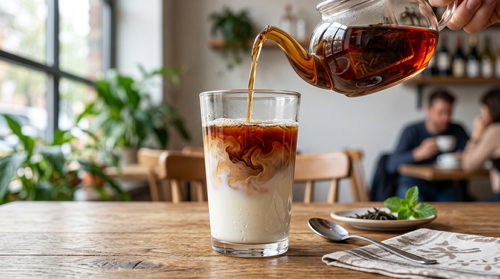
1. The Science of Drinkability
Selecting a professional-grade base tea requires evaluating three key dimensions:
- Flavor Profile Depth: Cheap commercial teas often rely on front-end synthetic aromas, lacking mid-palate body and a clean, sweet finish. A high-quality base should possess a defined profile—such as the toasted nut and chocolate notes favored by modern high-end brands—allowing it to harmonize with milk or plant-based alternatives without being overpowered.
- Balance of Astringency: Tea polyphenols provide the “skeleton” of the brew. Insufficient astringency leads to a watery, thin texture, while excessive levels cause throat irritation. Superior base teas are precision-fermented to transform astringency into a refreshing, “saliva-inducing” (生津) quality.
- Thermal Stability: A premium base must maintain a consistent flavor curve regardless of temperature. Teas that perform well hot but become thin or bitter when iced are unsuitable for chain operations where quality consistency is non-negotiable.
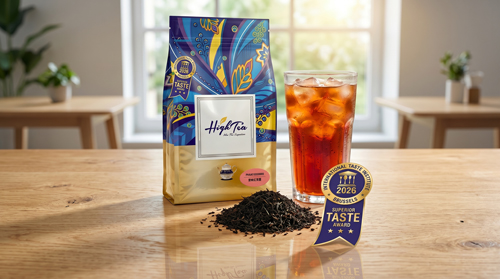
2. Case Study: The Market Advantage of Yun-Ying Black Tea
As a flagship product of High Tea, Yun-Ying Black Tea represents an engineering breakthrough in tea base design:
- Aroma: Rich, dark cocoa notes detectable even before brewing.
- Flavor Profile: A bold, nutty entry followed by subtle caramelization, finishing with a crisp, clean black tea sweetness.
- Application: Ideal for “thick” milk teas, providing a silky texture that cuts through the cloying sweetness typical of standard milk tea, offering a clear competitive advantage for brands prioritizing dairy-based drinks.
3. Cost-Benefit Analysis: The ROI of Quality
When procuring, unit price is secondary to per-cup cost and customer retention.
- Extraction Efficiency: Due to higher ingredient density, high-quality teas like Yun-Ying allow for superior tea-to-water ratios. Lower-cost, thin-flavored teas often require higher dosage to hit flavor targets, effectively erasing any cost savings.
- Operational Stability: Consistent supply chain management minimizes workflow adjustments. Reducing inconsistency lowers training costs and mitigates losses from customer complaints—the most direct path to improved margins.
- Premium Positioning: Teas with sophisticated profiles (chocolate/nutty) command higher price points. Investing in “drinkability” is the most cost-effective method to build brand loyalty and avoid the “race to the bottom” in pricing.
4. Selecting a Strategic Partner
In the era of rapid innovation, your supplier is your technical backbone. Look for:
- Data Transparency: Can the supplier provide objective flavor mapping and inspection reports to support your marketing claims?
- R&D Support: Does the partner facilitate new product development? High Tea’s extensive application database can significantly shorten your R&D cycles.
- Technical Precision: Does the supplier offer specialized equipment or solutions that ensure the raw materials deliver a precise, grit-free, and efficient preparation process?
Conclusion: Procurement as Brand Definition
Selecting your base black tea is a foundational statement of your brand’s identity. Choosing products with unique flavor memory points and high cost-efficiency, such as Yun-Ying Black Tea, establishes stability from day one. In a volatile market, “Drinkability” remains the ultimate strategy for long-term viability.